
 Chat with AGB Board Bot
Opinions expressed in AGB blogs are those of the authors and not necessarily those of the institutions that employ them or of AGB.
Organized, collaborative, and well-run meetings are necessary for governing boards to maintain the appropriate strategic focus and fulfill their missions to support student success, foster innovation and research, and steward resources effectively. A successful meeting addresses the right topics and board members feel their time is respected.
Effective board meetings don’t happen by accident. A major part of what makes board and committee time productive—and what shapes trustees’ confidence that governance is working—depends on the president/chief executive and the board professional (BP) working closely with board and committee chairs to plan and execute board business, much of which occurs through committee and board plenary meetings. The result is a governance environment in which board members can spend their limited time together on the issues that matter most.
Collaborating to Develop Meeting Agendas
Presidents and BPs help board leaders shape agendas that are well-organized and purposeful, so that trustees can engage effectively because they understand which items involve a decision, require discussion, provide context, or all the above.
This process begins by forming a work plan that identifies the key issues and activities the board and its committees need to address over the course of an academic or fiscal year. An effective work plan helps ensure the right topics appear on agendas and are sequenced strategically. Every institution and related foundation is unique, so the length and frequency of board and committee meetings may vary, but an organized work plan lays out an intentional mix of routine business, strategic discussions, information items, and stakeholder engagement—so meetings don’t default into a parade of reports.
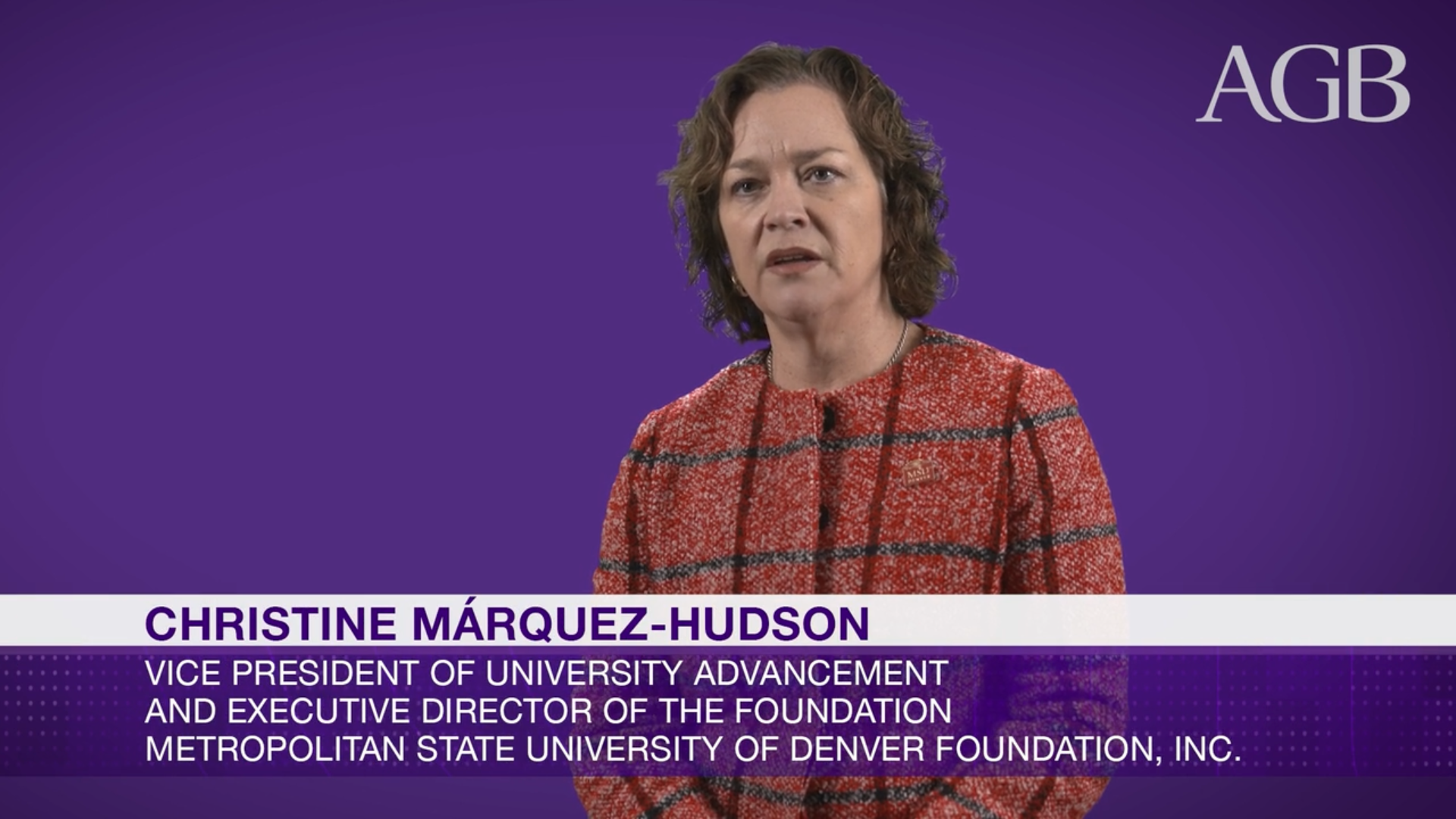
“I think one of the most important ways to ensure that you have an engaged board is making sure that you have effective meetings. … I work with the committee chair, or the board chair and the vice chair, to brainstorm, ‘What do we want to achieve in this next meeting?’” said Christine Márquez-Hudson, vice president of university advancement and executive director of the foundation, Metropolitan State University of Denver Foundation, Inc. “The conversation is really about, ‘What do we want to add to that? What is maybe urgent, relevant, or necessary to also discuss?’
“I’m proud of the fact that we do hour-and-45-minute board meetings, which are pretty short in the grand scheme of things,” said Márquez-Hudson. “The president is one of the highlights of each of those meetings—to talk about what’s happening at the university level—and then we’ll typically have one other substantive topic that we need to discuss, grapple with, or figure out.”
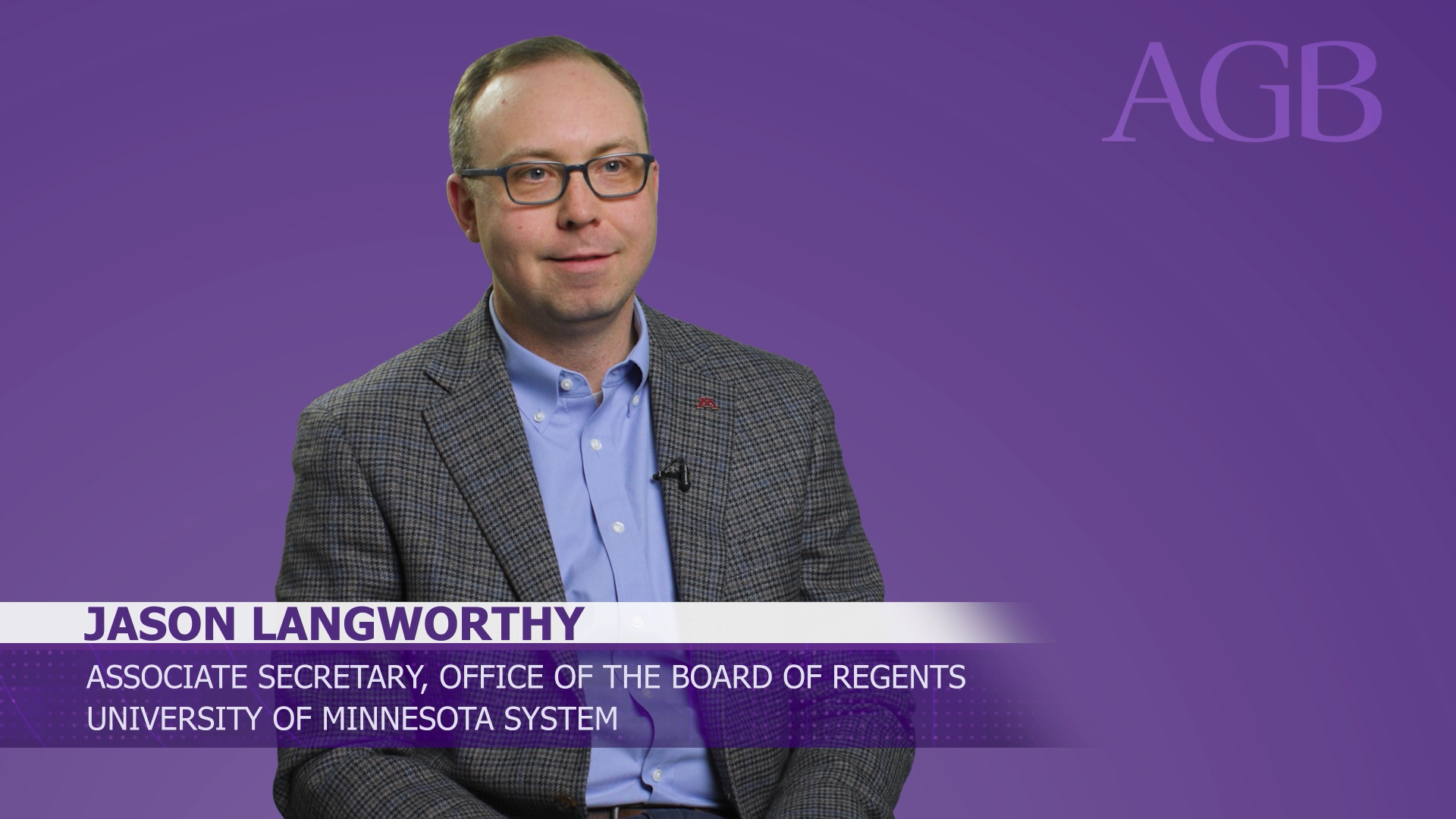
“What’s unique about a board professional in helping to conduct effective meetings is that we are not the ones doing the meeting, but we are advising our board members and our presidents and chancellors and helping to give them the resources to do that,” said Jason Langworthy, associate secretary, Office of the Board of Regents, University of Minnesota System. “Have pre-meetings with your chair and your president. Go through the agenda. Understand, ‘What are the action items? What are the areas where it could be that you might have some controversial issues or maybe some places where board members may ask X, Y, or Z?’ Help everyone to be on the same page and be prepared.”
Recognizing that board members value engagement with the campus community, campus and foundation leaders incorporate opportunities for interaction into the meeting schedule—such as meals with students or faculty, campus tours, and classroom visits. After meetings, they often solicit feedback from trustees, using tools such as electronic surveys to assess what worked well and where improvements can be made. This ongoing assessment ensures that meeting agendas evolve to meet the changing needs of the board.
“The last hour of the board meeting is an experience somewhere on campus. We take them to different parts of campus, and they learn about that particular school, college, program, or area initiative,” said Márquez-Hudson. “Those experiences that always involve faculty, staff, students, or some location on campus have been the best thing in the world for keeping the excitement and energy of our board [members] up, giving them talking points. Now that they’ve experienced that program, they can obviously talk about it better.”
Managing Logistics and Documentation
As AGB’s publication The Role of the Board Professional explains, the BP manages the logistics of board or committee meetings, including selecting locations, arranging room setups, coordinating meals and accommodations, and managing the flow of guests and speakers, so that trustees can focus on governance and decision-making. During the meeting, BPs ensure that there is sufficient staffing for on-site needs, such as welcoming trustees or note-taking. For some BPs, this also involves planning for public attendance and security to maintain decorum.
“In the meeting, if things start to go a little bit sideways, don’t be afraid to hit the pause button,” said Langworthy. “Don’t be afraid to advise your chair to take a recess. Take a moment to take a deep breath. Reset. Figure out where you are in the process, and then make sure that your chair is prepared to lead from there.”
BPs often serve as the board’s primary resource on parliamentary procedure, helping ensure meetings and decisions follow the institution’s bylaws and any applicable legal requirements. In practice, that means creating a board orientation program and advising the chair on how to properly call special meetings when urgent business arises. A BP also helps confirm whether quorum requirements are met (including situations involving an augmented quorum, remote participation, or whether only voting members count). For more guidance, see AGB’s publication Legal Primer for Board Operations.
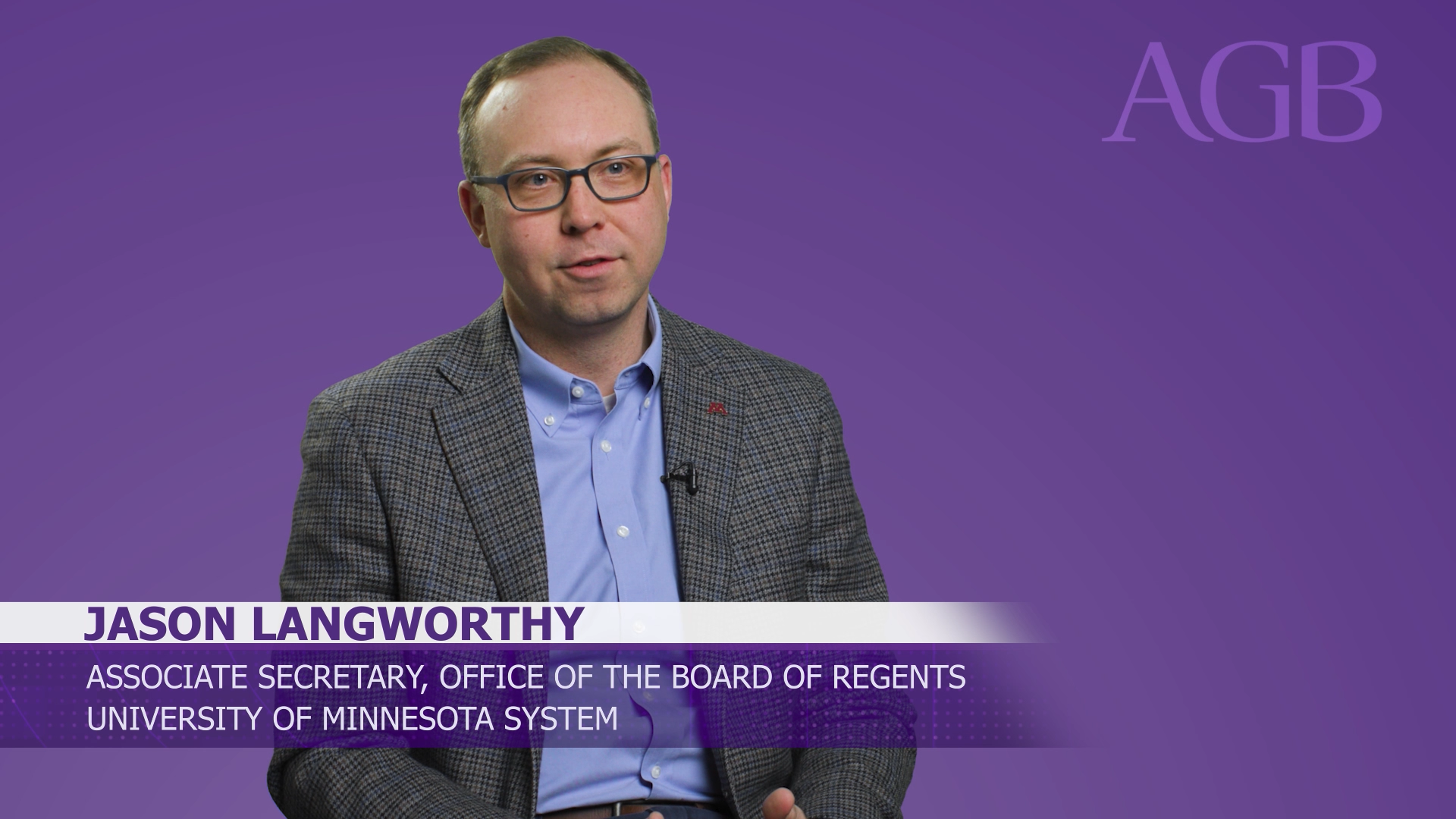
“So when helping our boards and presidents understand effective parliamentary procedure, I think one of the key things is to understand what are the unique things that your board does that might be different from sort of a stock use of a parliamentary manual like Robert’s Rules of Order,” said Langworthy. “What are your house rules? What are things that have become customs? Take time in onboarding, either with new board members or with new presidents and chancellors, to make sure that they understand those rules.”
The BP also serves as an institutional historian who is responsible for documenting board actions through accurate minutes and resolutions. These records are essential for compliance, transparency, and institutional memory. Often, the “product” of board action is a resolution—an official record that documents key facts such as the scope, nature, and effective dates of decisions. Resolution writing, like other governance skills, improves through practice, and the BP is normally at the center of making that draft crisp and usable.
A cardinal rule for effective meetings is providing board members with adequate time to review materials in advance—typically 10 to 14 days before a meeting, and, increasingly, communicating the materials through board portals and electronic formats. The BP manages not only the distribution of necessary information to trustees, but also its appropriate circulation to other internal audiences (often including the president’s cabinet and communications staff). This advance preparation allows members to arrive ready for substantive discussion and improves coordination across the institution.
Conclusion
In sum, running an effective meeting is multifaceted—encompassing strategic planning, logistics, engagement, and documentation. By excelling in these areas, campus and foundation leaders empower trustees to focus on what matters most: advancing the institution’s mission and strategic goals.
AGB’s upcoming Board Professionals Conference, March 26–28, 2026, and the National Conference on Trusteeship, March 28–30, 2026, in Denver will further explore these topics, providing useful insights for foundation, system, and campus board professionals, board members, chief executives, and other higher education leaders.
AGB used AGB Board BotTM in the development of this blog post to help summarize recommendations from our extensive library of content.
RELATED RESOURCES
Tools and Toolkits
Questions Boards Should Be Asking: The Work of the Board Chair


Orientation
Board Member Orientation