

 Chat with AGB Board Bot
Listen to this article on the AGB Soundboard App
Michelle N. Deutchman, JD, is the inaugural executive director of the University of California (UC) National Center for Free Speech and Civic Engagement, which explores the intersection of expression, engagement, and democratic learning, and considers what can be done to restore trust in the value of free speech on college campuses and withing society at large. In her role, Deutchman oversees the center’s operations, programming, and research. This includes facilitating workshops for staff, students, and administrators around the country on First Amendment and academic freedom principles and how to safeguard these values while maintaining an inclusive campus climate.
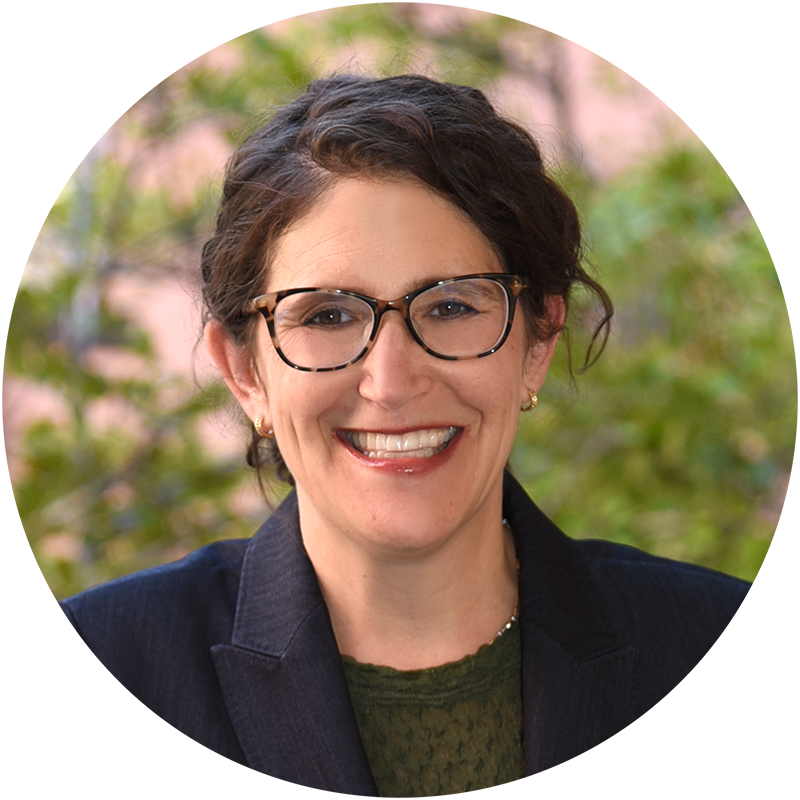
Courtesy of Michelle N. Deutchman
What should boards know about fostering an inclusive environment while supporting free speech on campus?
This is a hard balance to strike. People on your board, in the president’s cabinet, and across campus will disagree (often vehemently) about how expression-related conflicts should be resolved. It will be challenging and frustrating and oftentimes it will feel like no one is happy. That is likely evidence you are doing it well.
Go back to basics and start with your board. Board members should receive regular education about the First Amendment and how its principles apply to public and private institutions of higher learning. They should (1) understand that virulently bigoted and mean-spirited speech is protected by our Constitution, (2) be able to explain why protecting ugly speech is valuable at a college or university, (3) be prepared to articulate what campus community members can expect from the institution if they encounter hateful speech, and (4) be able both to distinguish between free expression and academic freedom and to explain why each are vital to the ongoing survival of higher education.
Don’t wait for controversy to find you. Create and regularly review speech-related policies before you are in the news. Prepare by practicing how your campus leadership will gather and synthesize information and make tough but thoughtful decisions under intense time pressure.
Make concerted effort to include and listen to representatives of all campus constituencies when policymaking. Invest in dissemination and training of policies.
Be transparent whenever possible.
Hold fast to your mission and values in the face of political pressure. Succumbing to such pressure can lead to the suppression (unintended or otherwise) of voices on campus. Finding the courage to stand up for expression, even when it is objectionable, is not only the principled choice, but it may also be the strategy that wins the day.
How has the UC National Center for Free Speech and Civic Engagement helped to support free speech on UC campuses and across the country?
Education is at the core of everything we do. Individuals cannot protect and defend what they do not understand. Studies show that most American adults cannot name the five freedoms covered by the First Amendment nor do they realize that the Constitution is about protecting individuals from the government (not from other individuals or from private companies). Without a fundamental understanding of what our constitutional rights entitle us to and how we can use them to further dialogue, dissent, and the continued creation of new knowledge, we will be unable to maintain our enviable system of higher education, a cornerstone of our democracy.
Through workshops, presentations, webinars, podcasts, annual conferences, research and fellowship opportunities, the Center has created numerous entry points for exploration and discovery about campus expression. In 2025, more than 2,000 people attended Center workshops, more than 4,000 listened to our SpeechMatters podcast, and more than 140 colleges and universities and 37 civil society organizations were represented at our annual conference.
Relying on nuance, integrity, and the power of community, our programs and research create connections between people who are courageously using the power of expression to respond to the gravest threats American institutions of higher learning have faced in the past century.
What is your top piece of advice for institutions looking to safeguard free speech while also maintaining a safe and inclusive campus climate?
There is no singular formula for “how to” safeguard expression while also maintaining a safe and inclusive campus climate. So, rather than search for a silver bullet, commit to incorporating the question of “how to” at every step: when you discuss your college or university’s mission, your values, your initiatives, your recruiting, your messaging. Consistently ask: How do the institution’s decisions continue to reflect your commitment to dissent and discussion, as well as to the promise of inclusivity and belonging? How do you show the diverse members of your community that you are meaningfully investing in this endeavor?
–Interview by Justine Ballard, assistant editor of Trusteeship